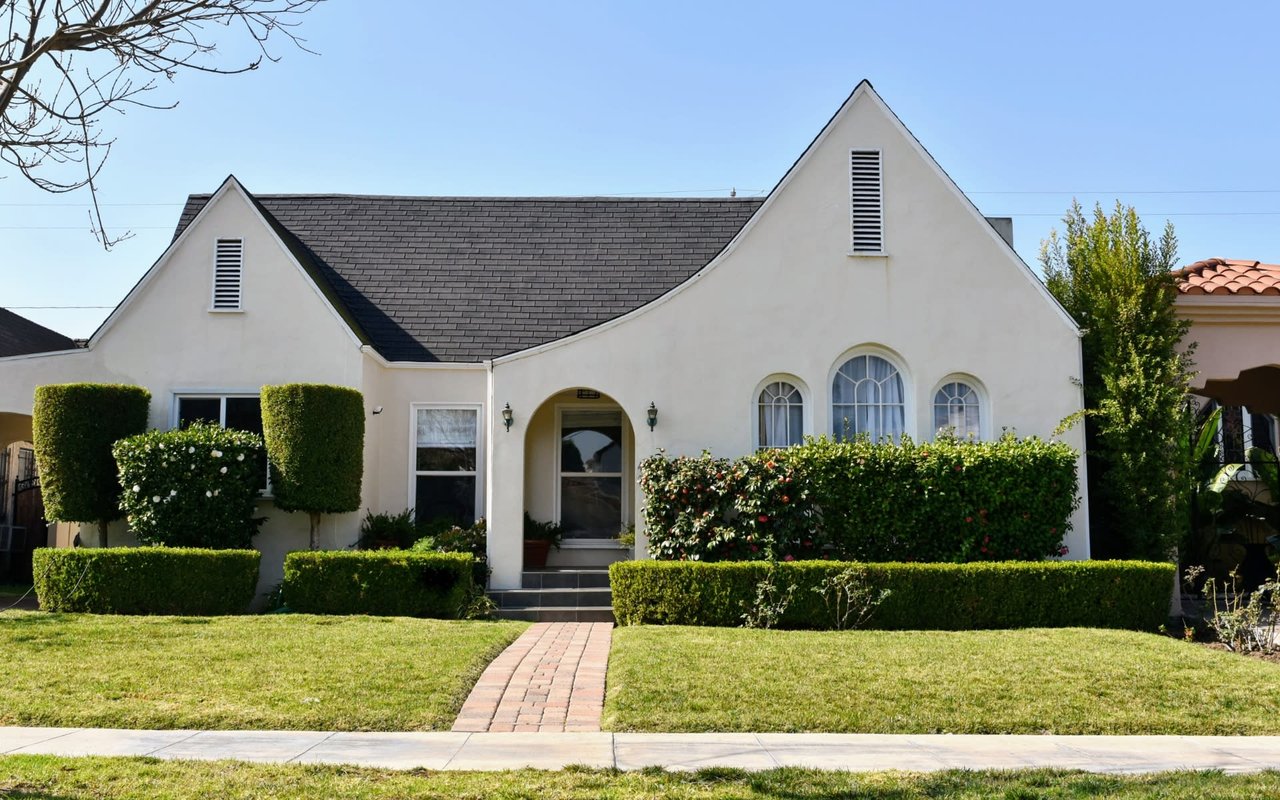
Home Insurance Costs Are Up 46% Since 2021. Here's How to Fight Back.
Shelly O'Neil June 1, 2026
Shelly O'Neil June 1, 2026
If you opened your homeowners insurance renewal recently and thought, "There is no way this can be right," you're definitely not alone.
This has become one of the most common conversations I'm having with homeowners lately. People are calling me saying their premium jumped hundreds of dollars, sometimes more, and they're trying to figure out what happened.
The truth is, it's happening everywhere.
A recent survey found that 71% of homeowners have seen their insurance costs increase over the last few years, and many say those increases have been substantial. Here in San Diego, I'm seeing the same thing. Homeowners who haven't looked at their insurance in years are suddenly shopping around and comparing quotes because the increases are impossible to ignore.
The good news is that you're not necessarily stuck with whatever number shows up on your renewal notice.
The biggest reason insurance costs have climbed is simple. Insurance companies are paying out more claims, and those claims are getting more expensive.
Wildfires, floods, storms, rising labor costs, and higher material prices have all contributed to the problem. When it costs significantly more to repair or rebuild a home than it did just a few years ago, insurance companies adjust their rates accordingly.
The average homeowners insurance premium has increased dramatically since 2021, and homeowners across the country are feeling it. This isn't just happening in one state or one region. It's become a nationwide issue.
That said, your specific premium is based on more than just national trends.
Where your home is located matters. If you're in an area with wildfire risk, flood concerns, or higher crime rates, that can affect your premium. The age of your roof, plumbing, electrical system, and other major components also plays a role. Your claims history, deductible, coverage limits, and even your credit profile can impact what you're paying.
That's why two homeowners with similar houses can end up with very different insurance bills.
Before you simply accept the increase, there are a few things worth doing.
First, shop your insurance every year. This is probably the easiest way to save money. Most people stay with the same carrier for years because it's convenient, but loyalty doesn't always result in lower rates. Getting a few competing quotes can sometimes save hundreds of dollars annually.
Second, consider whether a higher deductible makes sense for your situation. If you can comfortably handle a larger out-of-pocket expense in the event of a claim, increasing your deductible can reduce your annual premium.
Third, look at bundling your policies. Many insurance companies offer discounts when your home and auto insurance are with the same carrier. It's not always the cheapest option, but it's worth comparing.
You should also ask about available discounts. A newer roof, updated electrical system, security system, smart home monitoring, and certain safety improvements can sometimes qualify for savings that homeowners don't even know exist.
Finally, review your coverage. Not because you want less protection, but because you want to make sure your policy still matches your needs. I've seen homeowners paying for coverage levels that haven't been reviewed in years. A quick conversation with your insurance professional can often identify opportunities to make adjustments without increasing your risk.
One thing I would caution against is dropping coverage altogether.
I understand why some homeowners think about it when premiums increase, but it only takes one major loss to create a financial problem that's far bigger than the insurance bill itself. If costs have become difficult to manage, there are usually better solutions than eliminating coverage.
At the end of the day, insurance costs are likely going to remain a challenge for homeowners for the foreseeable future. But that doesn't mean you should automatically accept the first number you're given.
A few phone calls, a policy review, and some comparison shopping can often uncover meaningful savings.
And if you're thinking about buying or selling a home, insurance costs are becoming an increasingly important part of the overall homeownership conversation. Understanding those costs upfront can help you make better decisions and avoid surprises later.






San Diego Real Estate Market
The latest San Diego housing market data reveals what every homeowner should know about inventory, home prices, buyer demand, and whether now is the right time to sell.

Real Estate
We're excited to connect with you and help you achieve your real estate goals. Whether you have questions about buying, selling, or investing, or you simply want to learn more about our services, we're here to provide the information and guidance you need. Let's connect today!