How Del Mar Micro-Neighborhoods Shape Your Home Search
July 2, 2026
July 2, 2026
If you search Del Mar by price alone, you can miss what really shapes daily life here. In a city of about 2.2 square miles and roughly 4,200 residents, a few blocks can change your walk to the beach, your parking routine, your privacy, and even the kind of lot you end up with. If you want to buy wisely in Del Mar, it helps to understand how each micro-neighborhood feels on the ground. Let’s dive in.
Del Mar is small, but it is not one-size-fits-all. The city’s planning approach focuses on preserving scenic views, neighborhood character, and a small-town village atmosphere, which means each pocket has its own physical layout and rhythm.
For you as a buyer, that matters in practical ways. Two homes with similar square footage can live very differently depending on street grid, topography, traffic exposure, wind, parking, and how easily you can walk to the beach or Village core.
Del Mar has official neighborhood names in the city’s design guidelines, but local market language does not always match them exactly. That can get confusing fast when you are comparing listings, maps, and conversations with locals.
A smart way to read the market is to start with the city’s official area names, then note the common nickname when it differs. For example, buyers often hear Beach Colony in real estate conversations, while city references may point you to North Beach or nearby beach areas depending on the location.
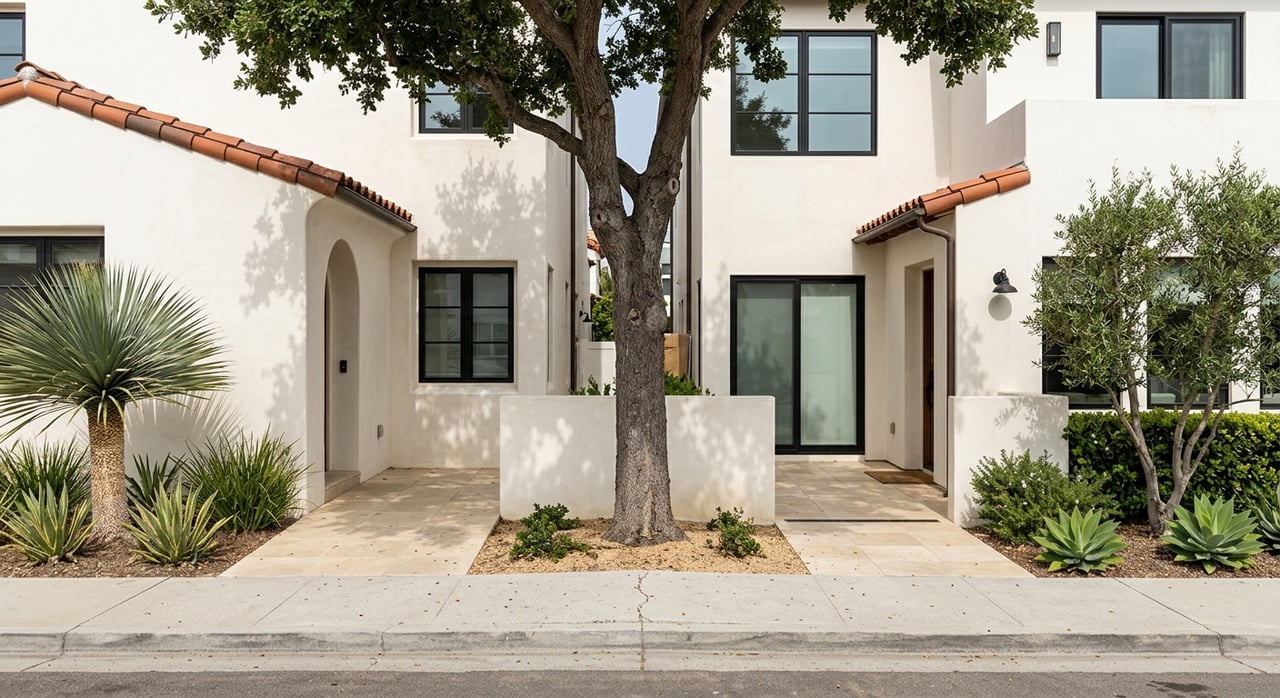
North Beach is one of Del Mar’s closest-in beach pockets and is often associated with Beach Colony in local market language. The city describes it as close to the ocean, relatively dense, and laid out on a grid with narrow streets, small lots, minimal setbacks, and limited landscaping.
That setup creates a very immediate coastal experience. You may be able to get to the sand quickly, but you are also more likely to notice tighter spacing between homes, a more active beach environment, and daily parking considerations.
South Beach runs between Powerhouse Park and the Torrey Pines border. Like North Beach, it appeals to buyers who want quick beach access and a lifestyle centered around the shoreline.
For some buyers, that is the dream. For others, the tradeoff is a busier feel, more visitor activity, and a need to think carefully about traffic flow and weekend patterns.
Beach proximity is a major draw, but it is not the only factor. In Del Mar, the best parking is often a few blocks back from the sand rather than directly at the beach, so your daily routine may feel different than a map suggests.
When you tour homes in these areas, pay attention to more than the address. Notice the street width, where guests might park, and how the block feels on a busy weekend compared with a weekday morning.
If beach pockets are about immediacy, bluff and hill neighborhoods are often about topography, privacy, and view potential. These are the areas where the lot itself can matter just as much as the house.
In Del Mar, block-to-block differences can be substantial because homes are shaped by slope, canyon edges, bluff locations, and view protection goals. That means your home search should include site conditions, not just finishes and floor plans.
The city describes South Bluff as a mix of steep topography, bluff-top locations, and gently sloping areas. Lots range from larger to moderately sized, and the street pattern can feel more irregular, especially near canyon areas.
For you, that can translate to more variety from one property to the next. One home may offer broad views and privacy, while another nearby may have more challenging access, less usable yard space, or a very different street feel.
South Hills is described as having larger lots on sloping canyon and bluff-top sites, with irregular street patterns and dense, older landscaping. This pocket often appeals to buyers who want a more tucked-away setting.
Dense landscaping and sloped sites can add privacy and visual appeal, but they also affect how a property lives. You may want to pay close attention to driveway grade, outdoor usability, and how much flat space the lot actually provides.
North Bluff is a very small bluff-top area with large estate lots and a more secluded feel. If privacy and lot size are high on your list, this kind of pocket may stand out quickly.
That said, larger bluff-top properties can vary widely based on orientation and how the home sits on the site. In a neighborhood shaped by scenic protections, view lines, tree cover, and neighboring rooflines can all influence value and enjoyment.
When you tour bluff and hill homes, look beyond bedroom count. In these pockets, some of the most important details are site-specific.
Key things to evaluate include:
The Village is Del Mar’s most compact and pedestrian-oriented area. The city describes Camino del Mar as a main street environment with wider sidewalks, safer crossings, and wider bike lanes, and it notes that shops, services, restaurants, boutique hotels, and beaches are reachable on foot or by bike.
If you want a lifestyle where you can leave the car parked more often, this area deserves a close look. It often appeals to buyers who want access to Del Mar’s core without being directly on the beach.
Even in the Village area, one street can feel very different from the next. Nearby streets like Luneta, Stratford Court, Ocean Avenue, and the 11th-to-15th Street area can vary in parking patterns, access, and how much foot traffic you will notice.
That means the right fit depends on your comfort level. Some buyers want energy and convenience, while others want walkability with a little more separation from event activity or parking turnover.
Village-adjacent options can include condos, townhomes, and smaller-footprint homes. In relative terms, these property types are often a lower entry point into Del Mar than direct-coast properties or larger bluff estates, though they still sit well above broader county norms.
For many buyers, this is where lifestyle and budget meet most clearly. You may give up lot size or absolute privacy, but gain a more lock-and-leave setup and everyday walkability.
Del Mar is a premium market across the board, but micro-neighborhood still shapes price expectations. Current citywide data varies by source and method, with reported figures clustering in the high-end range, including an average home value of about $3.77 million, a median listing price of about $4.085 million, and a median sale price near $4.3 million in recent reporting windows.
The more useful takeaway is relative. Direct-coast areas such as Beach Colony and similar beach-close pockets tend to sit at the top of the ladder, bluff and hill homes can range widely depending on views and lot characteristics, and Village condos or townhomes are often the lower entry point into Del Mar.
In Del Mar, homes on the same street can offer very different experiences depending on elevation and placement. A higher or more protected position may change privacy, view lines, and even wind exposure.
That is why it helps to compare homes on the same street instead of assuming the whole area feels the same. Small shifts in topography can have a big impact.
If beach access or Village living is part of your goal, test it yourself. Walk the route to the sand, a park, or Camino del Mar and see how it feels in real conditions.
A short route on paper may include more traffic, hills, or parking friction than you expected. In a compact city like Del Mar, lived experience matters more than a simple map pin.
Weekend parking, visitor activity, and overall street energy can look very different from a quiet weekday. If possible, visit the same block more than once before you decide.
This is especially helpful in beach and Village-adjacent areas, where day-to-day livability can depend on your comfort with activity levels. A second or third visit often reveals details you will not catch the first time.
In bluff and hillside pockets, site conditions deserve close attention. Del Mar’s development rules are designed to protect scenic amenities and neighborhood character, so lot shape, orientation, and surroundings can carry real weight.
For you, that means asking practical questions. How much of the yard is usable, how does the home sit on the lot, and what features of the view are created by topography versus nearby trees or structures?
The best Del Mar neighborhood for you is not just about prestige or proximity. It is about how you want to live each day, whether that means a quick walk to the sand, a tucked-away hillside setting, or easy access to the Village core.
When you understand Del Mar at the micro-neighborhood level, your search becomes clearer and more efficient. You can focus less on broad labels and more on the specific block, lot, and lifestyle that actually match your goals.
If you want help narrowing your options in Del Mar, The O'Neil Group can help you compare streets, property types, and lifestyle tradeoffs with the local insight that makes a difference.

We're excited to connect with you and help you achieve your real estate goals. Whether you have questions about buying, selling, or investing, or you simply want to learn more about our services, we're here to provide the information and guidance you need. Let's connect today!