Dreaming of a low-maintenance beach lifestyle without giving up access to great dining and transit? If Solana Beach is on your list, you’re in good company. Choosing a condo or townhome here can be a smart move, but coastal properties come with unique rules, risks, and financing steps. This guide walks you through what to expect, where to look, and the key checks to complete before you write an offer. Let’s dive in.
Solana Beach at a glance
Solana Beach is a compact coastal city in North County San Diego, about 3.5 square miles with a population around 13,000. It blends walkable pockets near the beach with quiet residential streets. You’ll find a lively creative scene in the Cedros Design District and easy access to parks and shoreline at Fletcher Cove.
For commuting or weekend trips, the Solana Beach Station serves the COASTER and the Amtrak Pacific Surfliner. If transit matters to you, explore homes within walking distance of the station and Coast Highway.
Walkable pockets to target
Cedros Design District
This is Solana Beach’s main pedestrian corridor with shops, galleries, and cafés. Condos and townhomes nearby often command a premium due to walkability and proximity to events and dining.
Fletcher Cove and Coast Highway
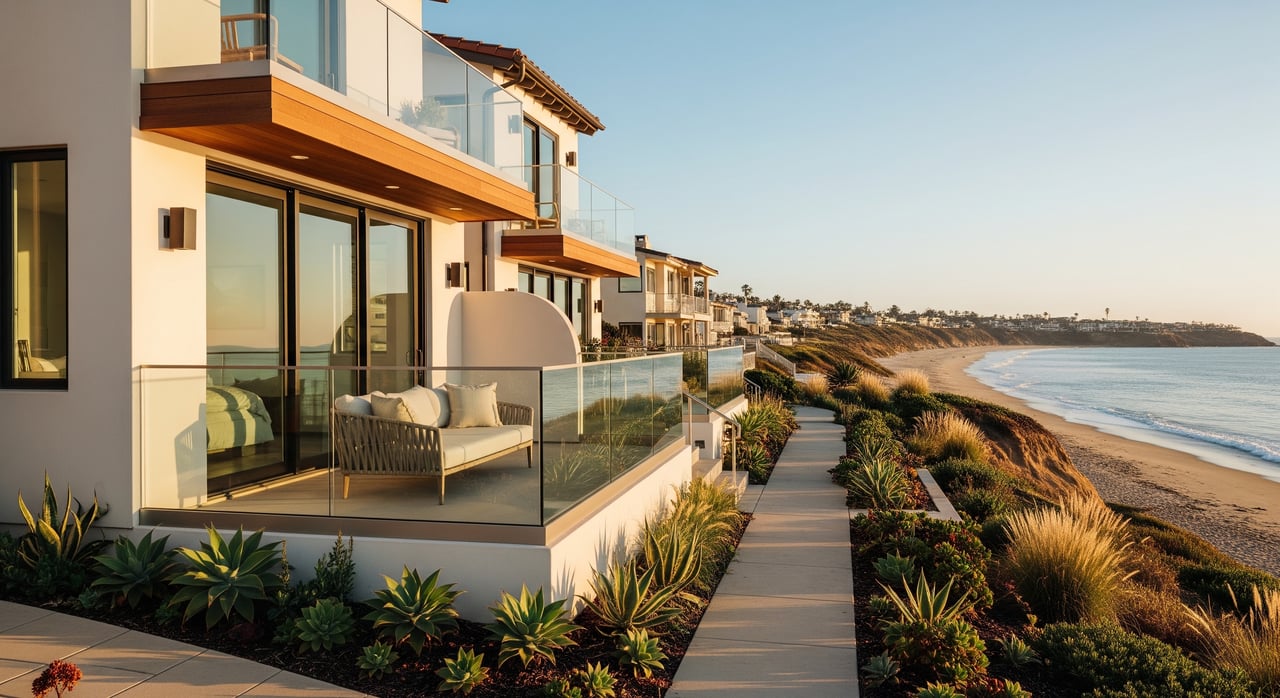
If beach access tops your list, look near Fletcher Cove Park and along Coast Highway. Expect higher demand and stronger resale interest for units that offer easy access to the sand, parks, and restaurants.
Solana Beach Station area
If you commute by rail or love car-light living, homes near the station can be a good fit. The COASTER and Surfliner make regional travel convenient.
Inland neighborhoods
Slightly farther from the coast, you’ll often find lower HOA dues and a calmer residential feel. These areas can offer value while still giving you a quick drive to the beach.
Tip: Look up walkability for specific addresses using Walk Score to compare locations.
What you’ll find in buildings
Common property types
- Low to mid-rise condominiums. Many are wood-frame buildings, 2 to 4 stories, built from the 1960s through the 2000s. Expect stacked flats and some walk-up or elevator access.
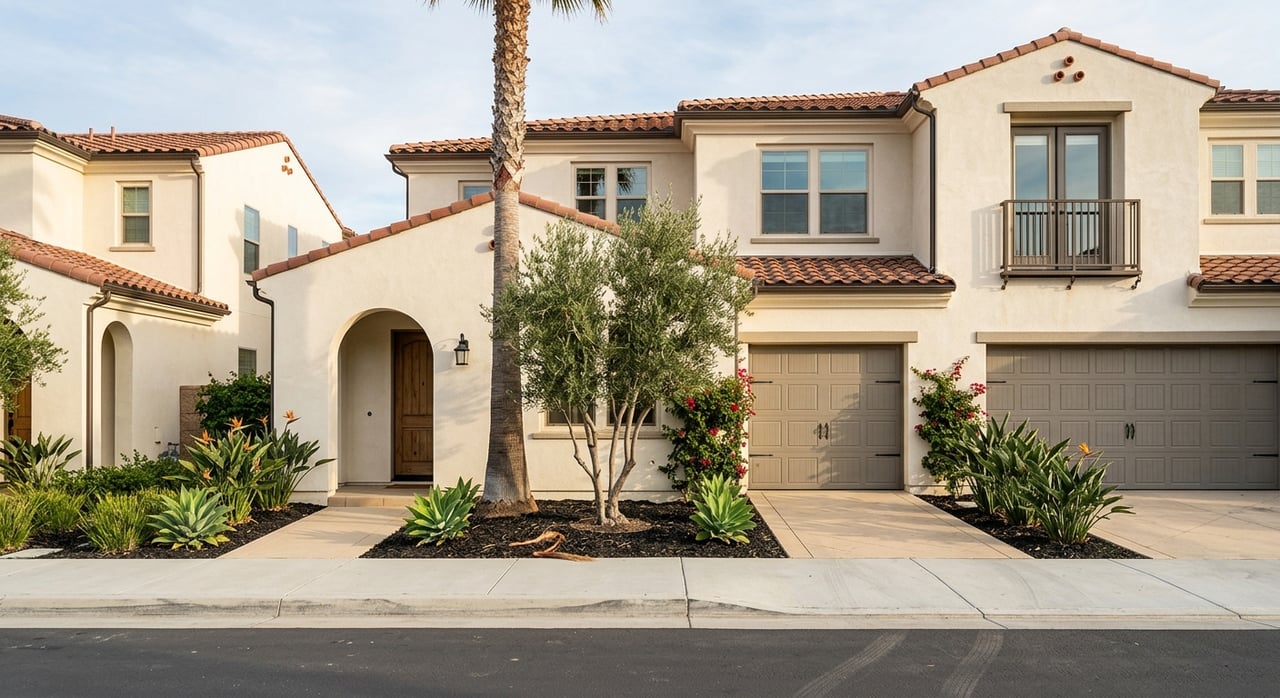
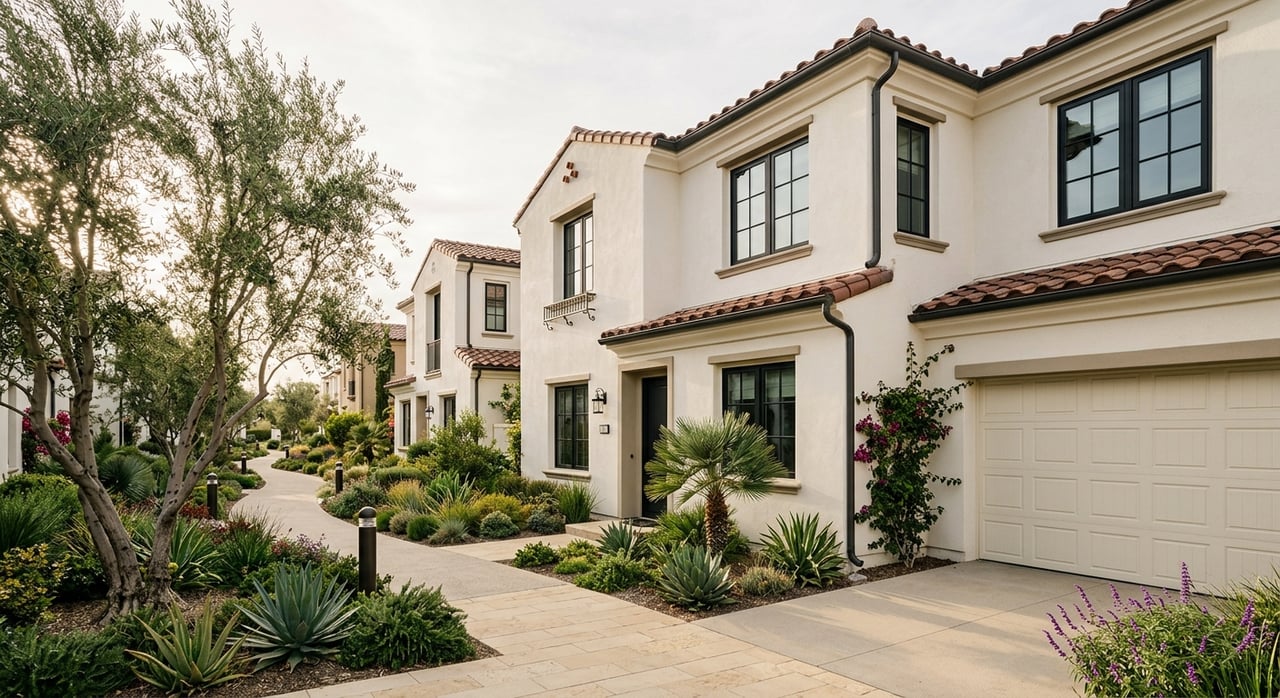
- Townhomes and row homes. Two or three stories, often with an attached garage at street level and living spaces above.
- Boutique and mixed-use near Cedros. Smaller developments with ground-floor retail and residences above.
Many buildings are older and close to the ocean, so routine coastal maintenance is common. Plan for items like stucco repair, deck or wood rot remediation, and moisture management.
Parking, storage, and amenities
- Parking. Townhomes typically include attached garages. Condos may have assigned spaces or shared garages. Always confirm the number of spaces and whether parking is deeded.
- Storage. Dedicated storage varies by complex. Some include lockers or garage storage, others do not.
- Amenities. Pools, shared patios, laundry rooms, and small fitness rooms are common. Large resort-style amenities are less typical than in bigger coastal cities.
HOAs, lending, and rules that matter
The HOA packet you should review
Before you make an offer, request and read the full set of HOA documents. These shape your monthly costs, your use of the home, and even your financing options.
- CC&Rs, Bylaws, and Rules and Regulations
- Budget, recent financials, and the latest reserve study
- Board meeting minutes from the last 12 to 24 months
- Current dues and what they include, such as water, trash, exterior insurance, roof, and exterior maintenance
- Special assessments, planned projects, and any litigation
- Rental policies, including short-term and long-term limits
- Pet rules, including size and breed policies
California’s common interest developments are governed by the Davis–Stirling Act. Confirm that required disclosures are provided and that the HOA is following best practices.
Lending basics for condos and townhomes
Financing a condo or townhome involves a review of the project itself, not just your unit. Lenders look at reserves, owner occupancy, delinquency rates, and litigation.
If a project does not meet certain guidelines, you may still have options with a different loan program or a larger down payment. Always confirm project eligibility with your lender before you get serious about a unit.
Rental and use restrictions
Short-term rental rules vary by HOA and by city policy. Check the HOA’s rental limits first, then review any local rules on the City of Solana Beach website. If renting is part of your plan, verify minimum lease terms, caps on the number of rented units, and waitlists for permits.
Coastal risks, inspections, and insurance
Bluffs, erosion, and flood risk
Properties near coastal bluffs, including the Fletcher Cove area, can be subject to erosion, setback rules, and special permitting requirements. For context on coastal policies and erosion management, review the California Coastal Commission’s resources. For flood risk, check a specific address on the FEMA Flood Map Service Center. Low-lying properties may need flood insurance and can face evolving permitting conditions over time.
Inspection priorities for coastal buildings
- Building envelope. Roofing, siding or stucco, balconies, decks, railings, and window systems are key areas for water intrusion.
- Systems and structure. Shared plumbing stacks, electrical systems, water heaters, and any elevator systems deserve attention.
- Termite and pests. Many buildings are wood-frame, so termite history and treatment plans matter.
- Common areas. Inspect parking structures, stairs, and walkways for condition and maintenance.
- Moisture and mold. Coastal humidity raises the risk of moisture issues in crawlspaces, attics, and stucco. Ask for any past remediation documentation.
Insurance to review before you offer
- HOA master policy. Confirm whether the policy is “walls-in” or “bare walls” and what is covered for roofs, exterior, and common areas.
- Unit coverage. Most condo owners need an HO-6 policy for interior finishes, personal property, loss assessment, and liability.
- Flood insurance. If your unit is in a mapped flood zone, flood insurance through the NFIP or a private carrier may be required. Availability and pricing vary by address.
- Earthquake insurance. Optional but common to consider in California. Deductibles can be high, so weigh costs and coverage.
High HOA dues sometimes reflect robust insurance and reserves. Low dues can signal limited coverage or underfunded reserves. The documents will tell the story.
Pre-offer checklist for Solana Beach buyers
- Confirm property type. Know whether you’re buying a condo in a condominium project or a townhome in a PUD, since rules and financing can differ.
- Request the HOA packet. CC&Rs, bylaws, budget, reserve study, meeting minutes for 12 to 24 months, insurance certificate, and all rules.
- Ask focused HOA questions. Any special assessments now or planned, delinquency rates, owner-occupancy percentage, litigation status, and timelines for upcoming projects.
- Verify parking and storage. Number of deeded spaces, EV charging rules, guest parking, and bicycle storage.
- Check lender eligibility. Confirm FHA, VA, and conventional options for the specific project and whether a higher down payment is needed.
- Line up inspections. General home inspection, pest or termite report, roof or deck evaluation, and if near bluffs, a geotechnical or coastal hazards review.
- Run risk checks. Use FEMA flood maps, review bluff or erosion context via the California Coastal Commission, and ask for any past coastal permits on the property.
- Evaluate insurance. Get an HO-6 quote, confirm master policy limits and deductibles, and price flood and earthquake coverage if applicable.
- Review comps. Look at recent sales in the same complex or nearby streets. Compare price per square foot, days on market, and any seller concessions.
- Confirm utilities and maintenance. Clarify what dues include and who maintains water heaters, HVAC, and interior plumbing.
Who thrives in a condo or townhome
- Downsizers who want less maintenance and easy access to beach paths, cafés, and transit.
- Busy professionals who value a walkable base near Cedros or the station.
- Value seekers who prefer the lock-and-leave lifestyle and predictable exterior maintenance.
- Investors with a longer timeline who understand HOA rules, rental limits, and coastal risk.
Your best fit comes from matching your lifestyle and budget with the right location, HOA structure, and building condition.
How we guide your purchase
Buying in a coastal market is about doing the right homework at the right time. Our team brings deep Solana Beach experience, a relationship-first approach, and the systems to keep your process organized and calm. We help you focus on the right pockets, coordinate with your lender on project eligibility, and ensure you have the HOA and inspection insights you need to move forward with confidence.
Ready to explore condos and townhomes that fit your lifestyle? Start a conversation with The O'Neil Group for local guidance tailored to you.
FAQs
What should I know about Solana Beach condos before buying?
- Review the HOA’s financials, reserves, and rules, verify lender eligibility for the project, and check coastal risks like flood zones and bluff conditions.
How do HOA dues impact my loan approval?
- Lenders include monthly dues in your debt-to-income ratio and review project health under Fannie Mae or Freddie Mac guidelines, which can affect terms and options.
Are short-term rentals allowed in Solana Beach condos?
Do I need flood or earthquake insurance near the coast?
- If your address is in a mapped flood zone, flood insurance may be required; earthquake insurance is optional but common to consider in California, so get quotes early and compare coverage.
How walkable are Cedros and the Station area?
- These pockets are among the most walkable in Solana Beach; compare specific addresses using Walk Score to see how daily errands and transit access line up for you.
What is different about financing condos vs townhomes?
- Many condos require project reviews under Fannie Mae, Freddie Mac, or HUD FHA rules; some townhomes in PUDs may have fewer project-level requirements, so confirm with your lender early.