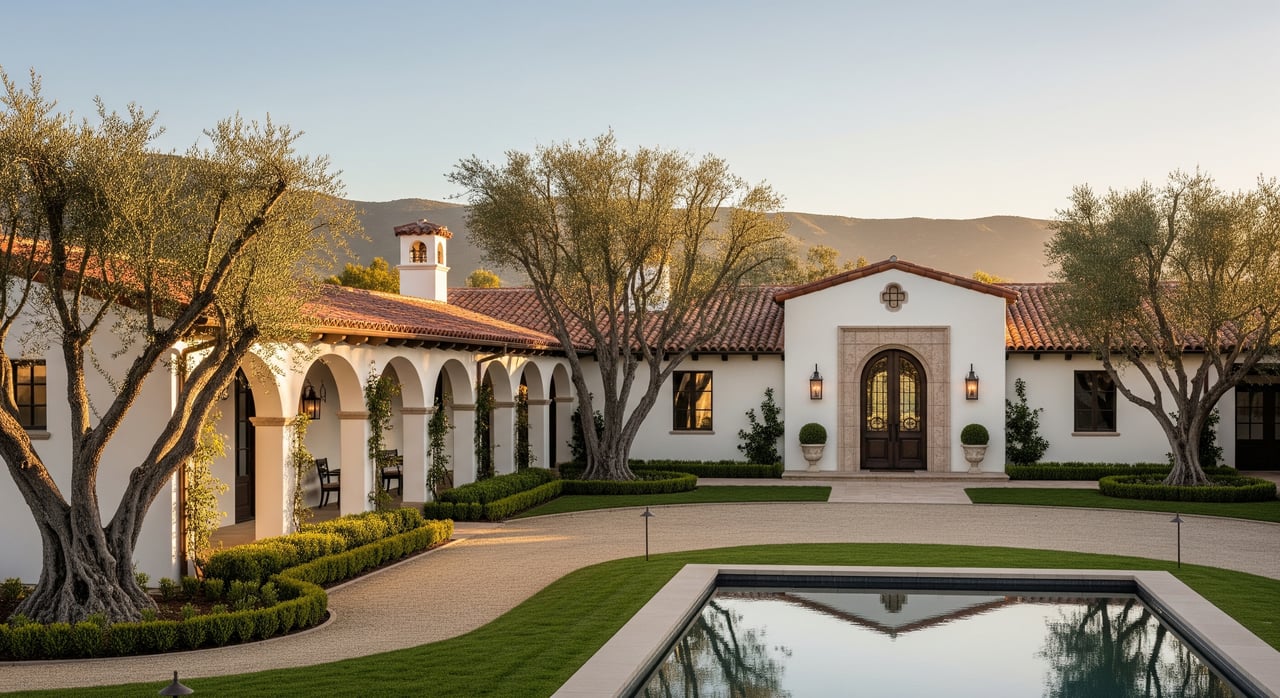
Jumbo Loans vs. Conventional in Rancho Santa Fe
January 1, 2026
January 1, 2026
Wondering whether you need a jumbo loan or a conventional loan for a Rancho Santa Fe home? You are not alone. In a market with many custom estates and premium finishes, choosing the right financing can make or break your offer. In this guide, you will learn how loan limits apply locally, how rates and down payments compare, what underwriters look for, and how to strengthen your position when you submit an offer. Let’s dive in.
A conventional conforming loan meets Fannie Mae or Freddie Mac guidelines for size and underwriting. Lenders can sell these loans to those agencies. A jumbo loan exceeds the Federal Housing Finance Agency (FHFA) county limit, so private investors or portfolio lenders fund and hold them.
In Rancho Santa Fe, many homes are priced above conforming thresholds. That means jumbo financing is common, and lenders will expect stronger files and more documentation.
For 2024, the baseline conforming limit for a single-unit home is $766,550. In designated high-cost areas, the single-unit limit rises to $1,149,825. Because many Rancho Santa Fe properties sit well above these figures, jumbo loans are often required. Always confirm the current year county conforming limit before you set your plan.
Jumbo rates are not always much higher than conforming rates. The spread changes with market conditions and can be small or wider. Jumbo pricing is more lender specific, so quotes may vary more than conforming options. Your credit score, loan-to-value ratio, loan size, debt-to-income ratio, and cash reserves are the biggest drivers of your actual rate.
Conforming loans can work with low down payments on primary residences, but private mortgage insurance applies when you put less than 20 percent down. With jumbo loans, many lenders expect 10 to 20 percent down as a minimum. For larger or more complex loans, 20 to 30 percent down is common and often unlocks better pricing and smoother underwriting.
For conforming loans, favorable pricing often starts around a 680 to 740 credit score. Automated systems sometimes allow higher debt-to-income ratios, often into the mid 40 percent range and sometimes up to 50 percent with strong compensating factors. Reserve requirements commonly run 2 to 6 months of principal, interest, taxes, and insurance.
For jumbo loans, lenders typically want stronger credit profiles. Best pricing often starts around 720 to 760 plus, with fewer recent delinquencies and limited recent credit inquiries. Many jumbo lenders prefer a DTI at or below 43 to 45 percent. Reserve requirements are higher, often 6 to 12 months or more, especially at higher loan amounts.
Conforming loans use standard verifications like W-2s, pay stubs, and tax returns. Jumbo underwriters look deeper, particularly for self-employed buyers. Expect thorough review of tax returns, K-1s, business statements, and sometimes year-to-date profit and loss statements. A consistent two-year history and clear documentation of income streams help your approval.
Luxury and custom properties require experienced appraisers and detailed reports. Comparable sales can be limited or spread out by distance or time. Some lenders may order two appraisals for unique estates. Appraisal gaps are more common in high-end areas, so buyers and sellers often use appraisal-gap coverage or adjusted contingency language to keep the deal on track.
Conforming loans offer standardized fixed and adjustable-rate products with uniform guidelines. Jumbo loans include conventional-style jumbos sold to private investors, bank portfolio loans held in-house, and non-QM products. Portfolio and non-QM options can be more flexible on things like interest-only features or alternative income documentation, but they often cost more and can require larger reserves.
In a competitive luxury market, the strength of your financing can matter as much as your price. Here is how sellers often rank buyer strength:
If you are selling, expect that some financed offers will involve jumbo loans with deeper reviews and appraisals. Evaluate offer strength beyond price, including the type of approval letter, proof of reserves, and appraisal-gap terms. If two offers are close, the one with a fully underwritten approval and a clear plan for appraisal and timeline often presents less risk.
In Rancho Santa Fe, the right financing plan is part of the winning strategy. You want pricing that fits your goals, underwriting that aligns with your file, and an offer package that gives sellers confidence. Our team pairs boutique, relationship-first guidance with modern tools so you can compete with clarity and speed.
Ready to map the best path forward for your purchase or sale in Rancho Santa Fe? Connect with The O'Neil Group to align financing strategy with your goals and timeline.


San Diego Real Estate Market
The latest San Diego housing market data reveals what every homeowner should know about inventory, home prices, buyer demand, and whether now is the right time to sell.

Real Estate
We're excited to connect with you and help you achieve your real estate goals. Whether you have questions about buying, selling, or investing, or you simply want to learn more about our services, we're here to provide the information and guidance you need. Let's connect today!